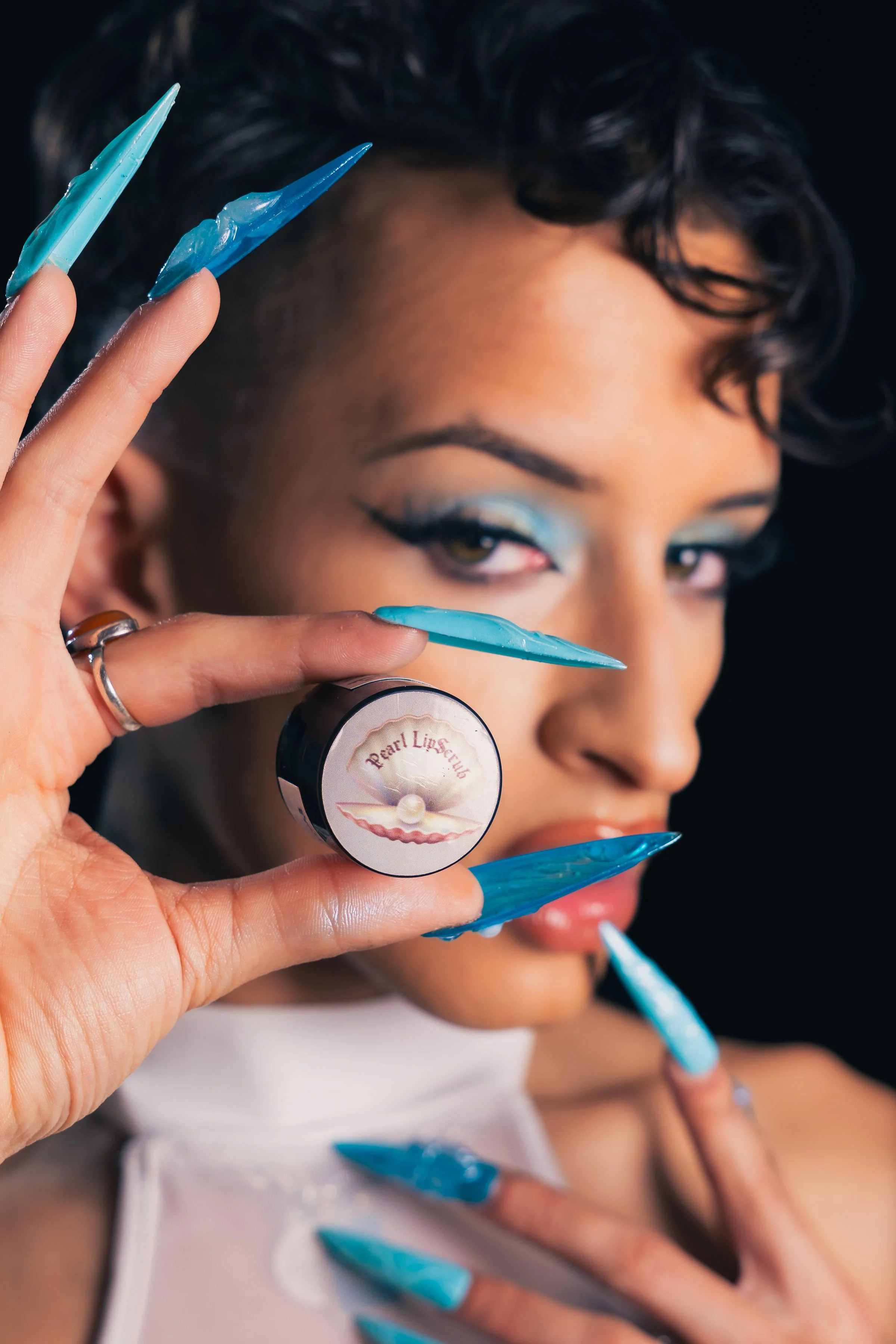
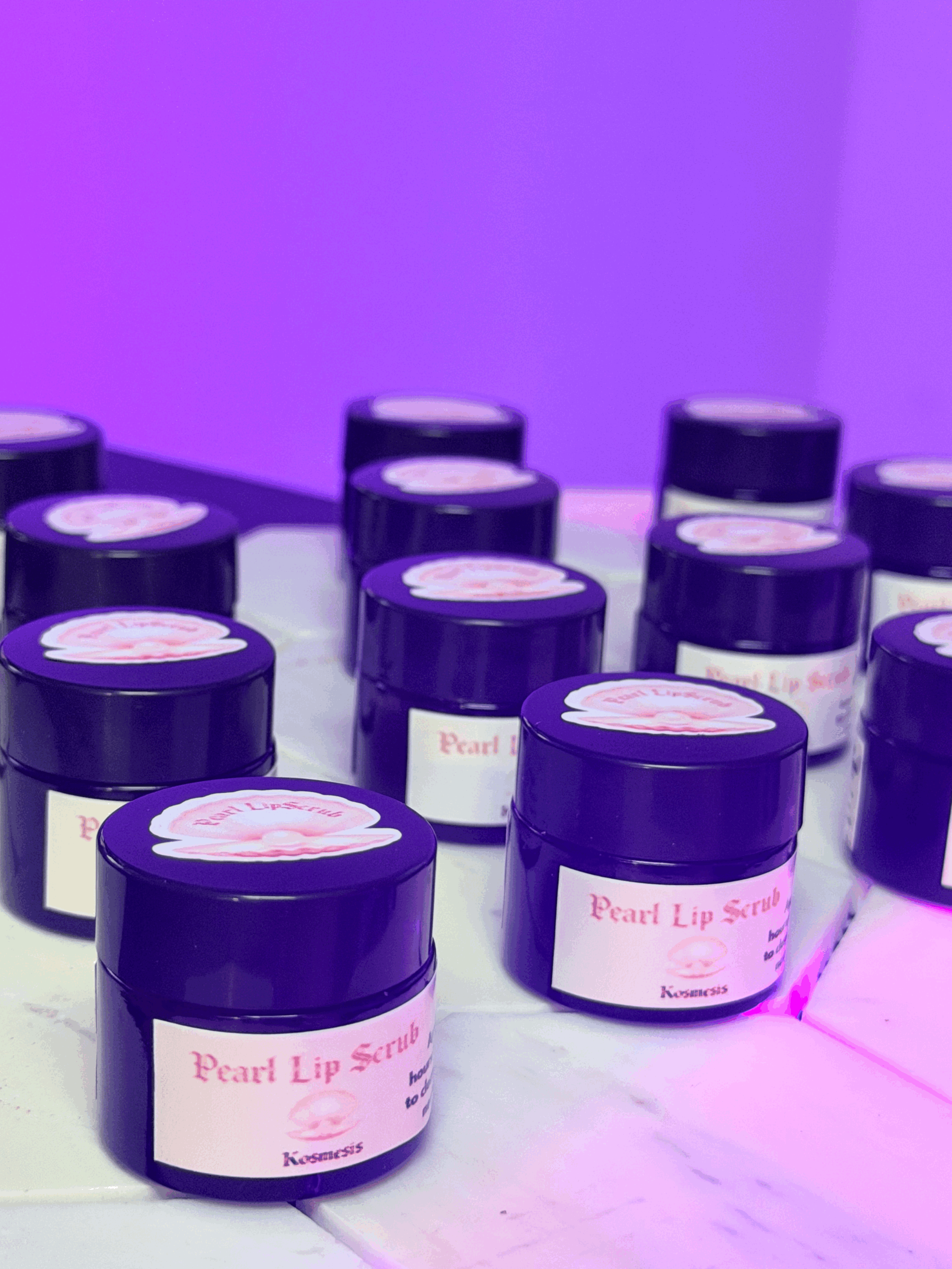
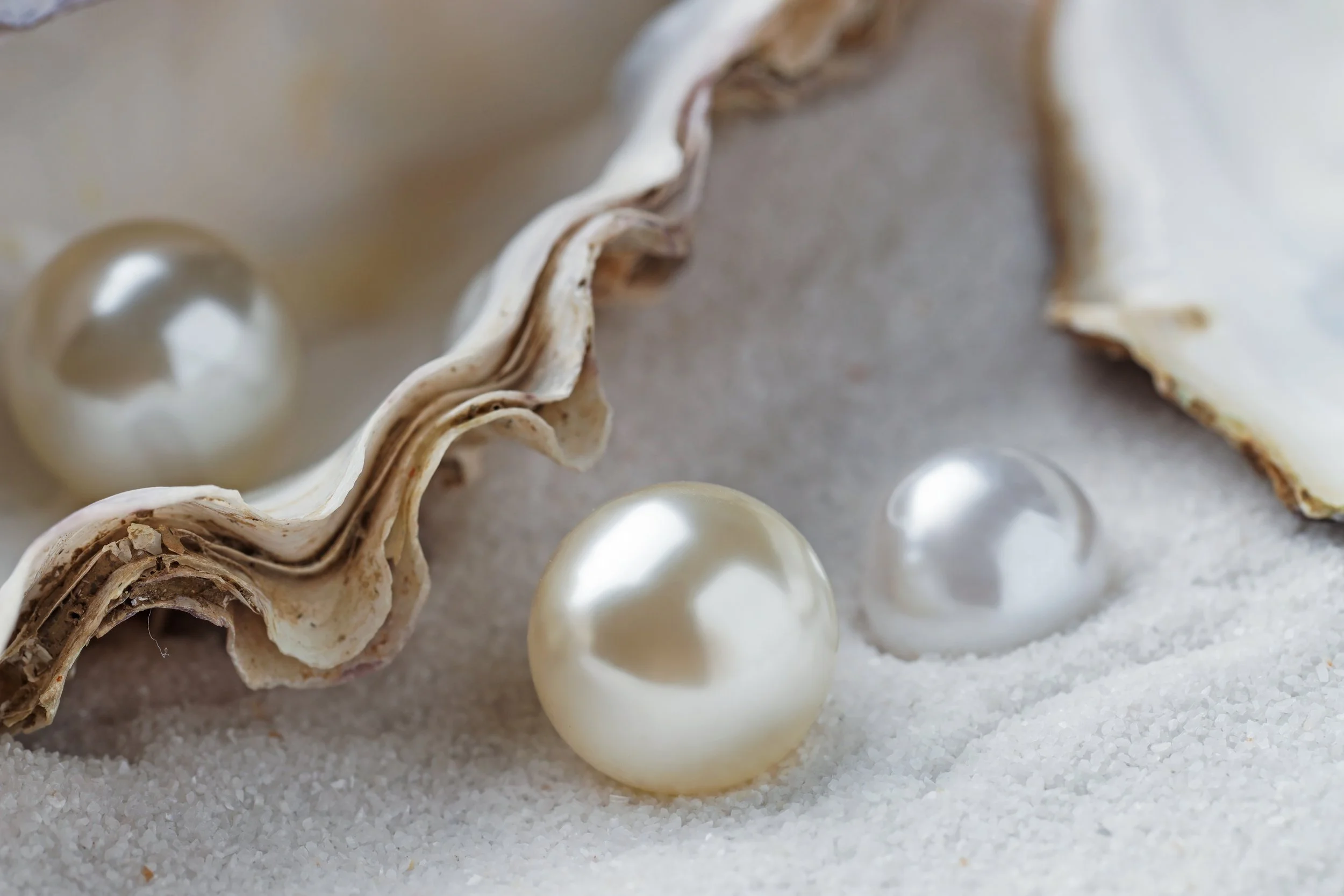
Perla del Caribe stems from the endearing name given by Puerto Rican poet José Gautier Benítez. La perla de los mares ("The pearl of the seas"). 19th-century poet called: Canto a Puerto Rico:
“Perla que el mar de entre su concha arranca
al agitar sus ondas placenteras;
garza dormida entre la espuma blanca
del níveo cinturón de tus riberas.”
Translation:
"Pearl that the sea from between its shell rips
shaking its pleasurable waves;
Heron asleep among the white foam
Of the snowy belt of your banks."
The pearl and the ancient
Across different historical periods, pearls have appeared in courtly jewelry, elaborate garments, personal ornamentation, and cosmetic preparations.
During the Renaissance, pearls were important visual markers of status among European elites. Portraits of powerful women, including members of the Medici court and Elizabeth I of England, demonstrate how extensively pearl jewelry could communicate wealth, authority, and carefully constructed ideals of femininity.
Their luminosity also made pearls particularly suitable for the visual language of purity, refinement, and luxury.
Beyond jewelry, finely ground pearls have appeared in historical beauty preparations and medicinal traditions. These historical uses should be understood in their own cultural contexts rather than treated as evidence of modern medical benefits.
For BAROQUE OPULENCE, the pearl became an important bridge between these histories and the traditional Venusian symbolism guiding my practice.
Organic Cane Sugar (exfoliant), Organic Jojoba oil (moisture)
Organic Castor oil (moisture), Organic Coconut oil (Moisture), Natural Vegetable Glycerin (emollient)
Silica Microsphere (smooths the texture of the product, reduces gritty feeling)
Hydroxypropyl Methylcellulose (semisynthetic thickener and stabilizer commonly used in cosmetics)
Sodium carboxymethyl cellulose (a water-soluble cellulose derivative used as a thickener, stabilizer, lubricant)
Watermelon flavoring (safe for cosmetics)
Vitamin E (moisture + preservative) + TKB preservative 4
Red iron oxide, pink mica, green mica. (Coloring)