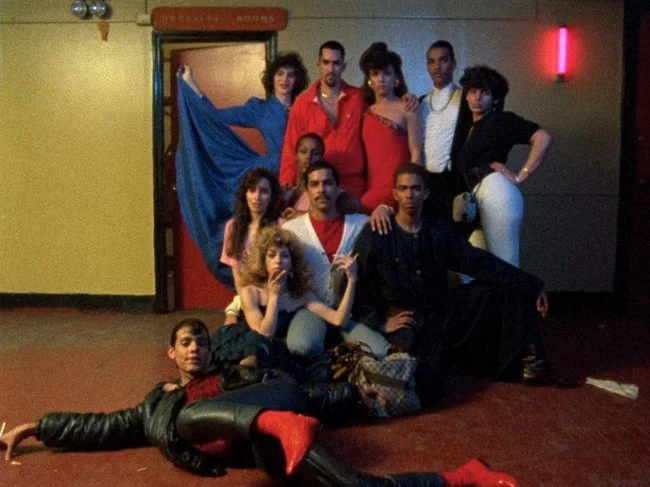
From William Dorsey Swann and the House of LaBeija to Aphrodite's dark epithets, a personal katabasis through queer resistance, Puerto Rican identity, and ancestral veneration.
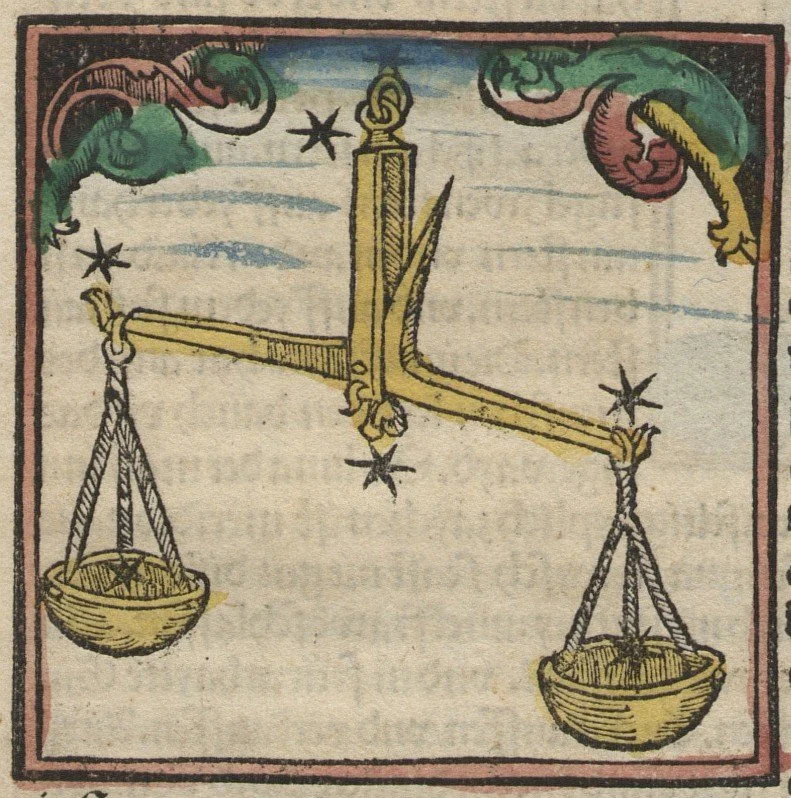
Fragments of desire, illusion, and curiosity invite us to look deeper into the abyss during this Venus retrograde through Scorpio and Libra.
Along a silent, narrow staircase descending into the underworld, I find myself thinking of the ancient nymphaea: sacred grottoes, springs, and sanctuaries dedicated to the nymphs. I also remember a younger version of me encountering the archetype of the nymph through an entirely different kind of sanctuary.
In 2018, as Venus prepared to descend through the same signs of the zodiac, Paris Is Burning and FX's Pose entered my life. I was in my late teens, navigating my identity as a femme Latino, finding scattered pieces of myself in the stories of Elektra Abundance, the ballroom queens, and the chosen families whose lives unfolded before me.
I was voguing to the same beat as those ladies on the screen, not knowing I would stand next to them in the blink of a Venusian eye. What is “underground” is akin to the underworld…
How many of us have discovered fragments of ourselves in the stories of the people who came before us? How many of us have watched Paris Is Burning for the first time and recognized a world we had never been permitted to inhabit, yet somehow already knew?
These were among my first meaningful encounters with queer liberation. Tales of familiar faces dressed to the nines, adorned beyond belief, seeking a drop from Venus's chalice in the deep bowels of the night.
Not beneath the splendid solar gaze of the mundane world, but among the nocturnal spirits who speak only beneath the silver Moon.
As Venus retraces her steps through Scorpio and Libra in 2026, I have been reflecting on the history of ballroom culture, the ancestors who created sanctuary through resistance, and the darker expressions of Aphrodite that accompany my own spiritual practice.
This is not merely a meditation on astrology. It is a descent into the history of otherness, the beauty of transgression, and the places where the rejected learned to become divine.
Venus Retrograde in Scorpio and Libra: The Descent Into the Underworld
Venus stationed retrograde in Scorpio on October 3, 2026, returned to her domicile of Libra on October 25, and will station direct on November 13.
I have explored the astrological significance of this cycle, its connection to Inanna's descent, and the traditional considerations surrounding the planet in my Venus Retrograde in Scorpio 2026 guide.
But this particular journey has also brought me somewhere deeply personal.
In the ancient world, the journey into the underworld was known as a katabasis: a descent into the realm beneath the living. In mythology, such journeys frequently bring encounters with the dead, the concealed, and the powers that govern what ordinary human life cannot fully comprehend.
For me, this Venusian katabasis has become an opportunity to confront the relationship between beauty and rejection, pleasure and shame, liberation and the structures designed to suppress it.
And when I think of those who have mastered the art of making beauty from rejection, I cannot help but think of ballroom.
Not because ancient underworld worship and modern ballroom culture share an identical history, but because their symbolism allows me to contemplate a question that has followed queer people for generations:
What happens when those condemned to the margins create a world of their own?
William Dorsey Swann: The Queen of Drag and the Ancestors of Ballroom
Long before the house system of Harlem became the ballroom culture we recognize today, an extraordinary figure was hosting secret gatherings in Washington, D.C.
His name was William Dorsey Swann.
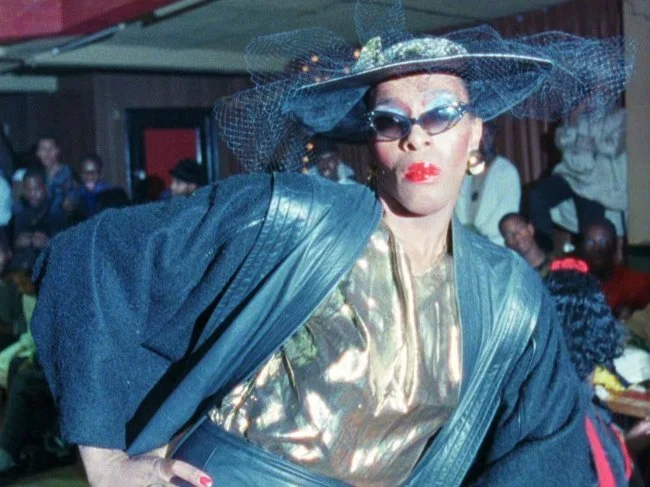
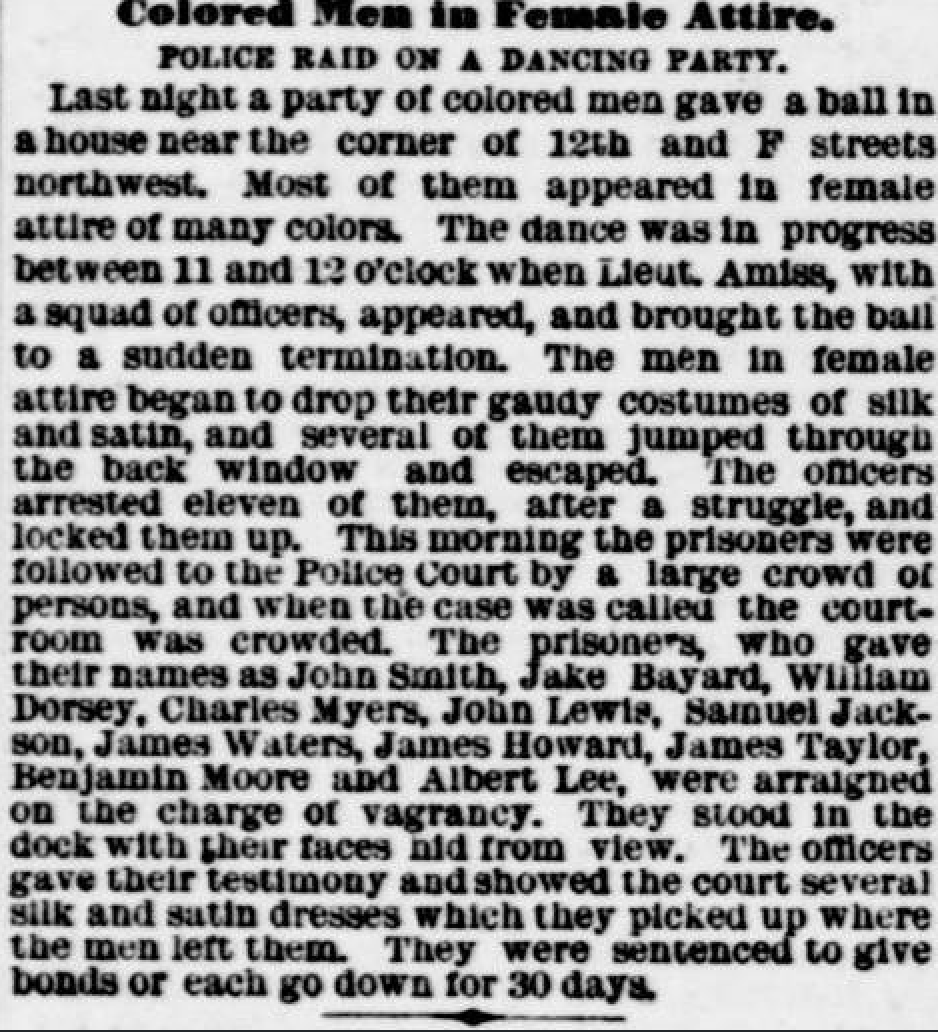
Born into slavery in Maryland around the middle of the nineteenth century, Swann eventually moved to Washington, where he became known for organizing gatherings of Black queer people during the 1880s and 1890s.
These celebrations brought together formerly enslaved people and other members of a marginalized community to dance, compete, dress extravagantly, and claim a kind of freedom that the outside world violently denied them.
Swann is among the earliest documented people to identify with the title Queen of drag.
And, baby, she was not going quietly into the night.
The 1888 Police Raid and the Resistance of a Queen
In April 1888, police raided one of Swann's gatherings.
According to contemporary newspaper accounts, Swann resisted officers attempting to enter the celebration while wearing a magnificent cream-colored satin dress.
Imagine that scene for a moment.
A Black person born into slavery, standing before the police in nineteenth-century America, dressed in satin and refusing to submit quietly to an institution that sought to criminalize their very existence.
Historical research on William Dorsey Swann documents how these gatherings were subjected to raids, arrests, and public humiliation through newspaper reporting.
Even the surviving accounts are filtered through the language of authorities and journalists who regarded these people with contempt. And yet, through those hostile records, their bravery remains visible.
When I read about Swann's gatherings, I cannot help but think of the accounts of clandestine assemblies and the witches' sabbath in European folklore: people meeting beyond the permission of respectable society, their nighttime gatherings transformed into something threatening by the authorities who described them.
These are not historically identical traditions. For me, the resonance is symbolic.
Swann and his companions created sanctuary in a world that refused to grant them one, similar to Spanish folk accounts that define the “brux” or the “bruja,” a marker of marginalization that always points the finger at the lowest person in the social pyramid.
The Cakewalk, Black Resistance, and the Origins of Drag Balls
Swann's celebrations also included dance competitions. The cakewalk developed through movement, parody, competition, and the imitation of the mannerisms of white plantation owners. Something profoundly Venusian about this transformation: taking the gestures of those who held power over you and turning them into a spectacle of elegance, skill, and communal celebration.
The broader history of African American dance, including the ring shout and other oral chant and call-and-response singing, belongs to a rich, complex cultural inheritance that often goes ignored. We should not flatten these practices into a single direct lineage, but neither should we ignore the importance of Black expressive culture in the history of American performance.
Swann's parties predated the modern Harlem house system by many decades. They were not ballroom houses in precisely the contemporary sense. Nevertheless, they reveal an earlier history of resistance, community formation, and gender expression that deserves remembrance.
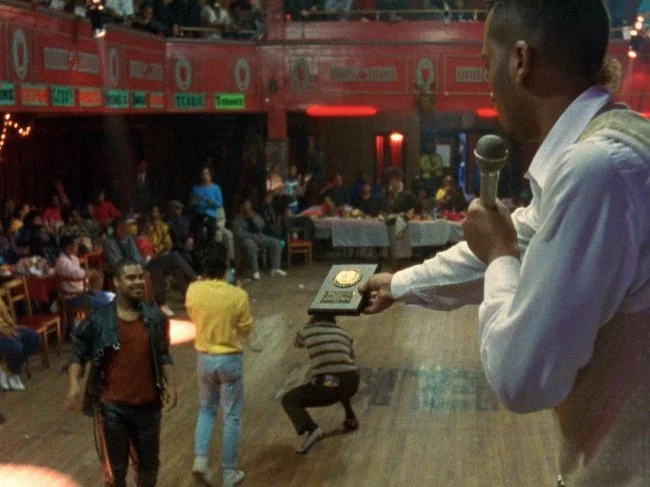
Before voguing reached the mainstream, before Pose, before Madonna, there were Black queer people who just escaped from the gruesome reality of slavery, risking their freedom to dance.
This is one of the first recorded ancestors of the gay rights movement here in the United States and what becomes the sole reference for what we see in Harlem, New York, in the 1900s. The martyred Swann, plastered all over the news, only grew in infamy and in followers willing to transgress and visit the Lady of the Night and her daughters.
While many cement Marsha P. Johnson's legacy as the starting point, we must not forget her own great house mother, Ms. Swann. He passed on December 23, 1925, at 65 in Hancock, Maryland; may their legacy and light always glimmer.
Crystal LaBeija and the Delightful Ladies: When Beauty Became Resistance
As we move forward into twentieth-century New York, we find another extraordinary chapter in the history of queer liberation.
Harlem's drag balls and pageants flourished during the early decades of the century, eventually contributing to the development of the modern ballroom scene. But these spaces were not free from the racial divisions of the society surrounding them.
White beauty standards dominated many competitions, and Black and Latina performers frequently encountered discrimination even within spaces supposedly dedicated to freedom of expression.
We often remember queer history through a romanticized lens of solidarity, but our communities have always had to contend with racism, colorism, and the unequal distribution of power.
And that brings us to the legendary Crystal LaBeija.
The Latina Queens Behind the Name LaBeija
During my research, one detail genuinely brought tears to my eyes.
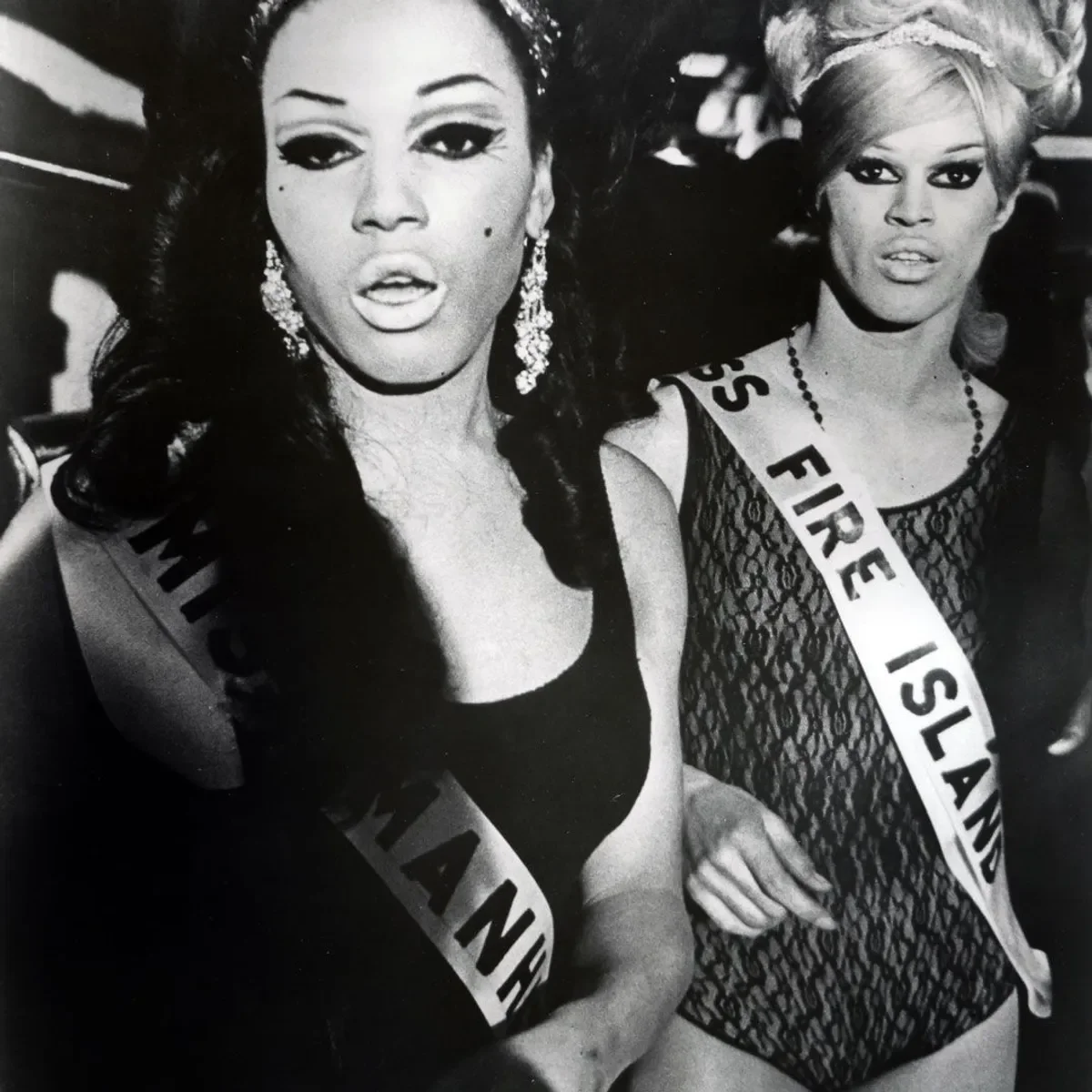
Accounts of Crystal's early drag career describe the influence of Latina queens who admired her beauty and used Spanish expressions such as la belleza when speaking of her.
The name LaBeija would become inseparable from one of the most important families in ballroom history.
Among the groups remembered in accounts of the drag world of this period were:
The Pattie Girls, associated with white performers
The La Chanels, associated with Black performers
The Delightful Ladies, associated with Latina performers
The role of these Latina queens, and their relationship with Black performers, matters a lot to me. Here we find an example of the intimacy between Black and Latin queer communities that has shaped American culture so profoundly.
Long before anyone was speaking of representation as a marketing strategy, these women were building relationships, exchanging language, affirming one another's beauty, and shaping the identities that would become legendary.
I think about the Puerto Rican and other Latina women who inhabited these spaces, and the languages, gestures, humor, and expressions of femininity they brought with them.
That connection is not incidental to ballroom history.
It is part of the history itself.
The Queen (1968) and the Founding of the House of LaBeija
Crystal LaBeija was one of the few Black queens to receive prominent recognition in the largely white-organized drag pageant circuit.
Her frustration with its racial politics became immortalized in the documentary The Queen (1968).
In one of the film's most memorable confrontations, Crystal challenges pageant organizer Flawless Sabrina over the result of a competition that crowned Rachel Harlow. The confrontation revealed the racial hierarchy operating beneath the glamorous exterior of the drag pageant world.
But Crystal's story did not end with that confrontation. With fellow queen Lottie LaBeija, she helped establish the House of LaBeija, which presented its first annual house ball in Harlem in 1972. This event is widely recognized as a foundational moment in the emergence of the modern ballroom house system.
Instead of continuing to seek acceptance within institutions that measured Black beauty against white standards, Crystal and Lottie helped create a space organized around their own community.
What followed was more than a new pageant. It became an institution of chosen family. A ballroom house could offer mentorship, emotional support, artistic education, protection, and belonging to people whose biological families or wider communities had rejected them.
In the following decade, as the HIV/AIDS epidemic devastated queer communities, ballroom houses also became important sites of care, remembrance, education, and activism.
The Royal House of LaBeija's own history preserves this extraordinary legacy.
For me, the lesson is clear: when existing institutions refuse to recognize your beauty, liberation sometimes begins by creating your own.
The House of Xtravaganza: Puerto Rican Heritage and Ballroom's Rise
If the House of LaBeija represents a foundational revolution in Black ballroom history, the House of Xtravaganza reveals another essential chapter: the growing visibility and influence of Latino performers.
Founded in 1982 by Hector Valle, a Puerto Rican voguer, the House of Xtravaganza became known as the first all-Latino ballroom house.
One of its earliest members was the legendary Angie Xtravaganza, a transgender Puerto Rican woman raised in the South Bronx who would become the house's first mother. Her influence extended beyond the runway.
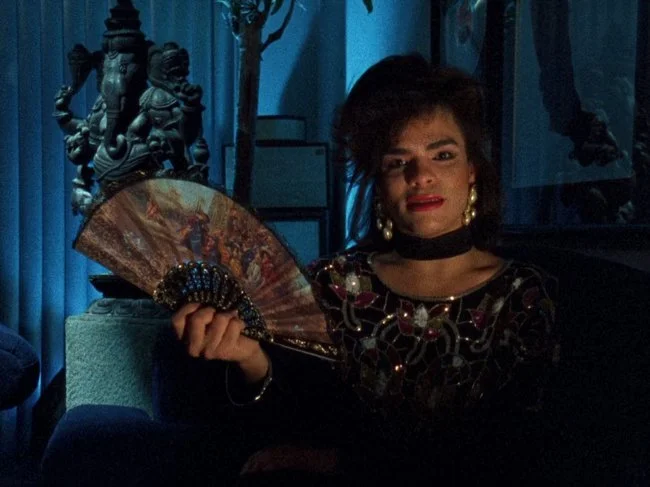
She helped create a family for young queer and transgender people navigating poverty, discrimination, abandonment, and the complicated relationship between their identities and the expectations of the communities from which they came.
How many young Puerto Rican people have had to negotiate that same conflict?
The expectations of family. The weight of Catholic morality. The machismo inherited through generations. The constant demand to suppress the aspects of yourself that make others uncomfortable.
Angie and the House of Xtravaganza were creating another way of living, and their story in Paris is burning forever changed me.
From Harlem Ballroom to Madonna's Vogue
By the late 1980s and early 1990s, ballroom performers' creativity had begun crossing into mainstream entertainment.
Willi Ninja's groundbreaking visibility, including his appearance in Malcolm McLaren's Deep in Vogue, helped introduce a wider audience to the movement and artistry developing within ballroom.
Members of the House of Xtravaganza would also become central figures in one of the most recognizable moments in pop music.
José Gutiérrez Xtravaganza and Luis Camacho Xtravaganza appeared in and helped choreograph Madonna's 1990 music video Vogue, later joining her Blond Ambition Tour. The aesthetic language of the ballroom, developed through generations of Black and Latino queer creativity, was now being presented to the entire world, and its influence did not end in 1990.
We can trace its cultural echoes through decades of pop music, fashion, choreography, and beauty. Beyoncé's Break My Soul (The Queens Remix) explicitly revisits Madonna's Vogue, while contemporary house-influenced pop still draws on the visual and musical vocabulary ballroom helped popularize, and Bad Bunny in VOU 787 samples Madonna’s iconic song.
But visibility should never be mistaken for ownership.
The question remains: Who receives recognition, compensation, and protection when a culture created by marginalized people becomes profitable?
Black and Brown queer communities have been central to American popular culture, even while struggling for the most basic forms of respect.
Venus Xtravaganza and the Daughters of the Night
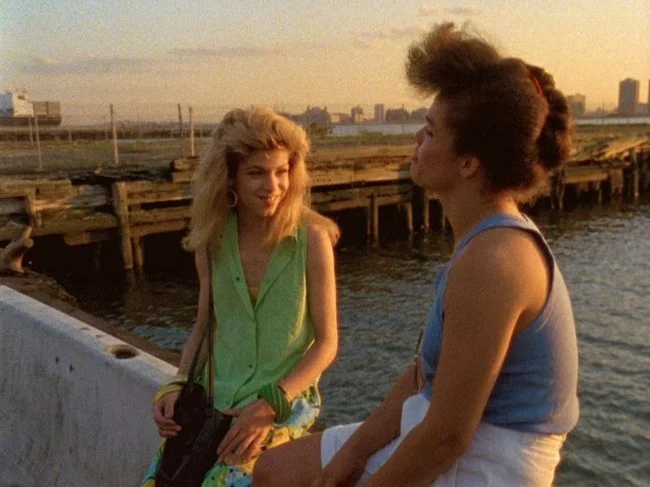
Among the many figures connected to the House of Xtravaganza, one has occupied a particularly intimate place in my own reflections. A transgender woman of Puerto Rican and Italian descent, Venus became one of the unforgettable figures of Paris Is Burning.
Her beauty, her dreams, and her desire for an ordinary life of love and security exist alongside the devastating reality of the violence she experienced. Her life was cut short in 1988. For me, Venus is not merely a historical figure within ballroom.
She has also become part of my spiritual contemplation and ancestral devotional practice, as she has been a muse for over 10 years for myself and many young fem queens finding out their own image.
Through personal necromantic veneration and subsequent contact with members of her family (in the living), I have explored details of her life and natal history. These experiences have felt like a deeply personal gift from Venus herself.
I do not offer that spiritual interpretation as a historical fact. It belongs to my own relationship with the dead and the divine. Still, it has profoundly shaped how I understand this descent and will share more once she ascends from the underworld. During my own journey, I also had the extraordinary opportunity to meet and speak with Dominique Jackson, whose portrayal of Elektra in Pose had meant so much to the younger version of myself watching the series.
Meeting someone connected to the stories that helped me recognize my identity reminded me how deeply art, memory, and ancestry can intertwine. These people are not simply characters on a screen. They belong to a living cultural inheritance and create the history of Queerness TODAY!!!
Queer Otherness: Finding a Home in the Abyss
The stories of those who ran away, were rejected, or found comfort in the darkness resonate with an experience familiar to so many queer people.
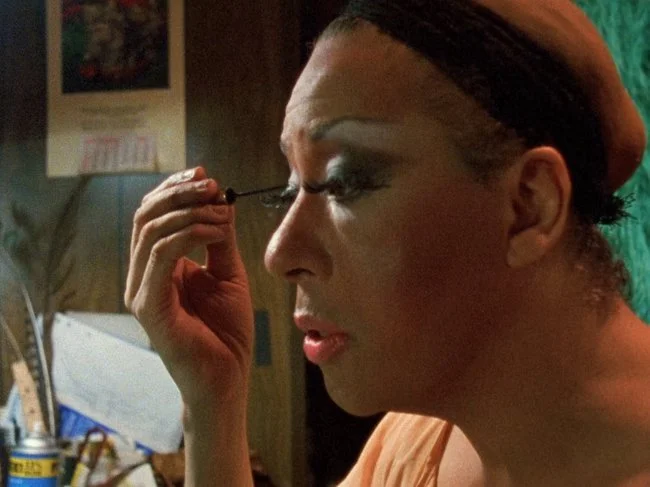
Especially those of us who come from colonized territories and communities in which religious morality, machismo, and rigid gender expectations have shaped generations of our lives. I know this experience intimately. As a femme-presenting Puerto Rican, a drag queen, and an openly queer occultist navigating American society in my twenties, I have encountered the boundaries placed around those who refuse to conform to the expectations of a cisgender, heteronormative world.
Some of us grew up being told that our very existence would condemn us to the underworld. That we were destined to burn in hell. And yet, how extraordinary that so many of our ancestors took those very accusations and created something beautiful from them.
The ballroom became a sanctuary.
The runway became a ritual of self-creation.
Adornment became armor.
And those condemned as outsiders crowned themselves queens.
I have carried these reflections through my travels as a makeup artist, including my experiences in South America and Peru, Chile and Nicaragua and through my relationships with queer Latin Americans and immigrants who continue to negotiate the tension between personal freedom and inherited expectations.
I also think about Puerto Rico, my own island, and the enduring consequences of colonialism, religious imposition, and machismo on queer expression.
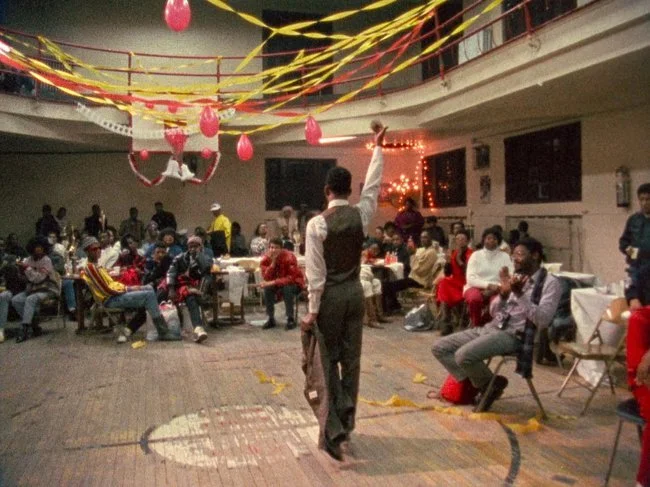
No single queer Latin American experience exists, nor should we pretend American freedoms are equally accessible to everyone living here. But the need to find community, protection, and the freedom to exist beyond imposed norms connects so many of our stories. Over the years, studying the esoteric arts and the historical development of religious institutions has given me another language for contemplating those experiences.
Katabasis: The Dark Epithets of Aphrodite and Venus
My descent through the symbolic grottoes of the nymphs has brought me face-to-face with expressions of Venus that are rarely emphasized in contemporary astrology or witchtok… (sorry divas LOL)
We are accustomed to discussing Venus through harmony, beauty, romance, fertility, pleasure, and desirability.
But ancient Mediterranean traditions also preserve darker, more dangerous, nocturnal, and funerary associations of Aphrodite.
Through my studies with Julia Carreras of Occvlta, particularly her Dark Aphrodisiacs teachings and The Gift of Venus: Fertility and the Fulfilment of Desire, I have spent time contemplating these lesser-known manifestations of the goddess.
Each epithet opens a different doorway into the complexity of desire, power, transgression, and death.
The Nocturnal and Underworld Names of Aphrodite
Some of the names and titles that have shaped my reflections include:
Androphonos — “Killer of Men.” An epithet tied to the goddess's dangerous, destructive potential.
Anosia — “The Unholy.” A title through which I contemplate the violation of established boundaries and conventional morality.
Persephaessa — “Queen of the Underworld.” A name associated with traditions connecting Aphrodite to the realm of the dead.
Skotia and Melainis — “Dark One” and “Black One.” Titles that invite contemplation of Aphrodite's nocturnal and shadowed aspects.
Philopannyx — “Lover of the Entire Night.” A name found in the Orphic hymn to Aphrodite, evoking her affinity with the hours beyond and her role as queen of the night itself.
Tymborychos and Epitymbidia — “Gravedigger” and “She Upon the Graves.” Names recalling funerary and chthonic associations of the goddess.
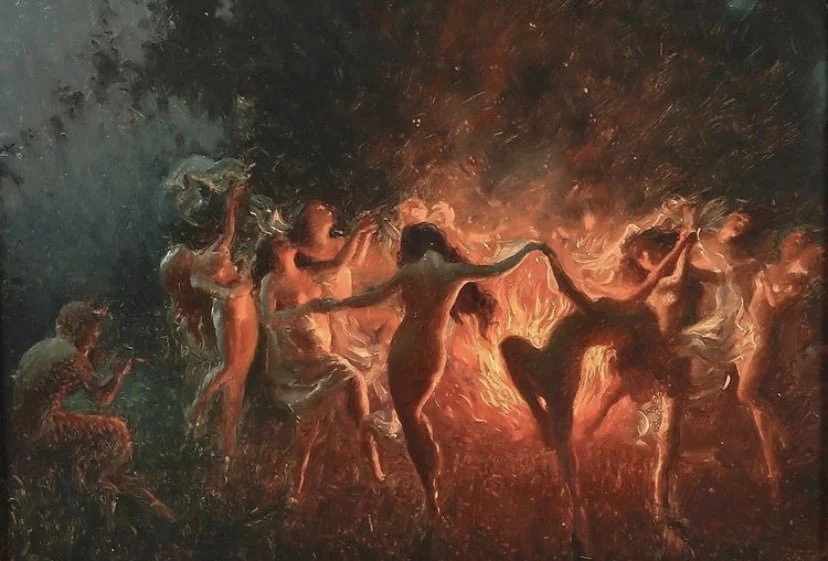
Nymphs Dancing to Pan's Flute, Joseph Tomanek, (1889-1974)
These names emerge from different texts, periods, and religious settings. They should not all be understood as evidence of one unified ancient cult. Rather, taken together, they reveal a goddess whose powers reach far beyond the familiar image of romantic love. t is here that I find a symbolic relationship between Venus and the queer experience. Not because the ancient world understood homosexuality, gender identity, or queer liberation in precisely the terms we use today, but because these divine images challenge the assumption that beauty must always be respectable, obedient, or illuminated by the Sun.
What of the beauty found in transgression?
What of desire that cannot be contained within approved structures?
What of the people who discover liberation only after abandoning the institutions that sought to define them?
These are the questions I have brought into my own devotional work.
The offerings of my Katabasis ritual project emerged from this process: long nights of research, conversation with teachers, ritual preparation, and divination. Before the descent, a tarot reading from a daughter of Hecate brought forward the image of rejoicing alongside Persephone in the underworld, dancing among the nymphs.
That image has remained with me.
A journey into the abyss need not be only a journey of suffering. It can also be an encounter with the forms of joy, pleasure, and belonging that were denied to us above. A goddess wishing to meet once again with the Galas and attendants that brought her the water and food of life. A role Queer people have always had reserved in the darkest of times.
Rosalia: The Rose, the Dead, and the Gifts of the Underworld
Those who have followed my work throughout the year may remember my earlier celebration of Rosalia, the ancient Roman festival tradition associated with roses and commemorations of the dead.
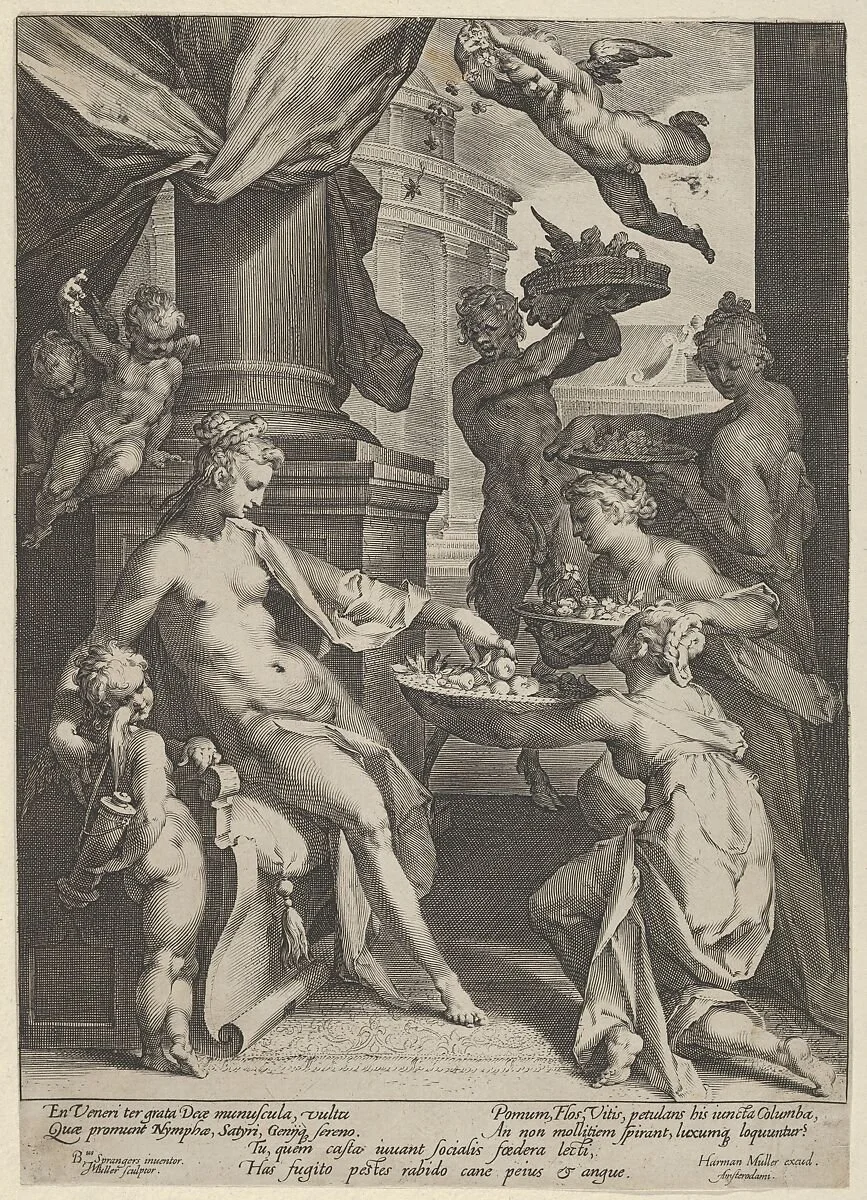
Venus Honored by the Nymphs - Jan Muller
During the spring, when the Sun was in Taurus, I began another part of this relationship with Venus in order to find my way through the darker aspects she currently walks in. Now, as the Sun travels through Scorpio, I find myself returning to those offerings from the opposite side of the zodiac.
But why roses?
And why the dead?
The Ancient Roman Festival of Roses
The Rosalia, also known through expressions such as dies rosationis, belonged to a family of ancient Roman observances involving the offering of roses.
Roses adorned graves, funerary commemorations, and other ceremonial settings. These observances were not confined to a single date; their timing varied with local customs and the flowering season, often between May and July.
The Oxford Classical Dictionary's discussion of Rosalia describes the importance of roses in commemorations of the deceased.
Julia Carreras's teachings have also encouraged me to explore possible relationships between these celebrations and the broader traditions of Aphrodite, Isis, and Mediterranean flower festivals which create the basis of this celebration.
These connections deserve careful historical distinction, but they offer a rich field of symbolic and ritual inquiry. The association of roses with Venus is familiar to most modern practitioners. Their association with the dead may be less familiar.
Yet the flower that blooms with such remarkable beauty was also placed upon tombs. People brought it to those who had departed, honoring their memory and sustaining the relationship between the living and the ancestors. That gesture is profoundly moving. The rose is not only a declaration of romantic desire. It is also an expression of remembrance similar to the Day of the Dead and the plant spirit of the Marigold!
The Infernal Rose in European Folk Magic
My studies of Pyrenean folklore through Occvlta have also introduced me to traditions in which the rose and its thorns acquire protective, apotropaic, and magical significance. Within the regional lore explored in these teachings, the rose appears in stories about protection from harmful spirits, witchcraft, and the complicated relationship between plants and the powers of the unseen world.
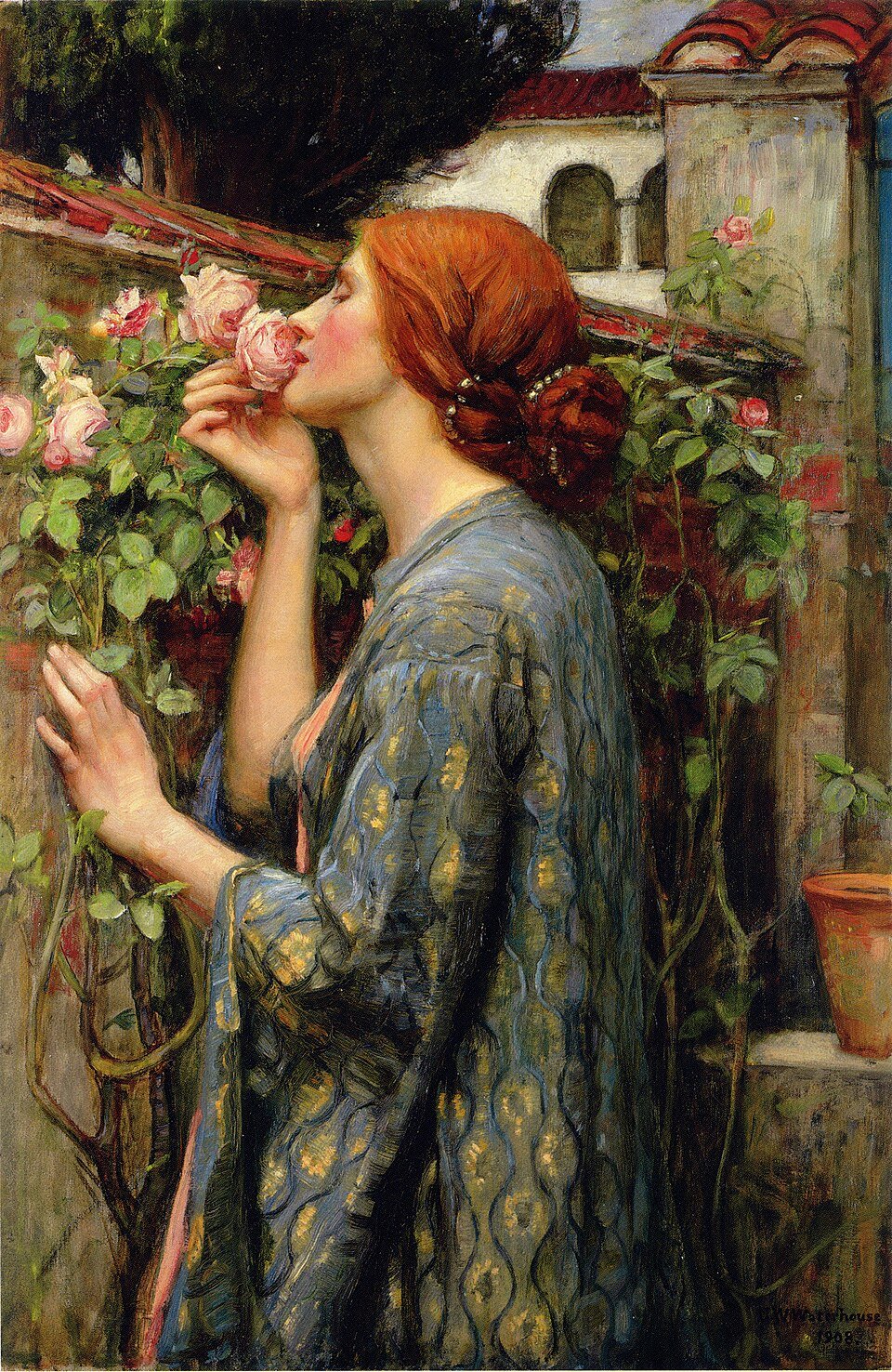
John William Waterhouse - The Soul of the Rose, 1903
In some accounts, even the folkloric Devil becomes entangled with the rosebush. These traditions remind me that a plant's significance cannot be reduced to a single planetary correspondence. The rose may belong to love, beauty, attraction, mourning, and protection simultaneously. Its thorns defend the very flower that invites us closer.
And perhaps that is why the rose has become such a meaningful image for this Venusian descent and a plant spirit of Hecate and the devil. Beauty does not require the absence of danger. Nor does love require us to surrender our boundaries.
Ancestor Veneration, Espiritismo, and the Return From the Underworld
For me, honoring the dead in the spring and returning to their memory in the autumn is part of a larger devotional relationship. One that extends beyond the pages of ancient Greek and Roman religious history. As a Puerto Rican practitioner drawing on Espiritismo, Catholic folk traditions, Taíno heritage, and the broader spiritual inheritance of the Caribbean, I continually negotiate how these traditions relate to my practice of planetary magic.
I do not regard these distinct cultural traditions as interchangeable. Each possesses its own history, context, and obligations.
But my work asks how a practitioner shaped by the diaspora can establish an authentic relationship with the heavens without abandoning the land, ancestors, and spirits that have shaped their own life.
To establish a right relationship with the celestial spheres, I believe we must also establish a right relationship with our dead, our familiar spirits, and our local numina.
That belief has become foundational to nearly every spiritual operation I undertake. It is a principle I have returned to since beginning my occult studies as a teenager. And it becomes especially important when considering how traditions such as Espiritismo are commercialized, removed from their cultural settings, or repackaged for audiences who may have little understanding of the people who preserved them.
I see a parallel in the commercialization of ballroom. The aesthetics survive. The gestures circulate. The language enters mainstream culture. Yet the people, the histories, and the systems of care that made these expressions possible can disappear from view.
That is why remembrance matters. The queer ancestors who made homes in the margins deserve more than to become an aesthetic for the mainstream world. They deserve to be named. Their stories deserve to be studied. Their resistance deserves to be understood. and the communities that continue their legacies deserve to thrive.
The Beauty of the Descent
Perhaps my greatest revelation during this Venus retrograde has been the power of walking away.
Walking away from institutions that will never recognize your humanity.
Walking away from structures demanding that you surrender your beauty in exchange for conditional acceptance.
Walking away from the belief that the only possible form of belonging is the one society offers you.
Our queer ancestors have already shown us another possibility.
They gathered in secret. They dressed themselves in satin. They crowned each other queens. They created houses, families, languages, dances, and sanctuaries. They learned to find beauty where the world insisted there could be none.
And in my own katabasis, I have found myself returning to that inheritance, accompanied by the dark faces of Venus, the spirits of my ancestors, and the roses offered to the dead.
For those of us who were taught that the underworld was our inevitable destination, there is something deliciously defiant about choosing to enter it on our own terms.
So we dip, we death-drop into the abyss, and we leave behind our musings, our offerings, and our histories for the next generation of queer Latin folk practitioners to find.
May they discover that those who came before them were never truly alone. And may the daughters of the night always find their way home.